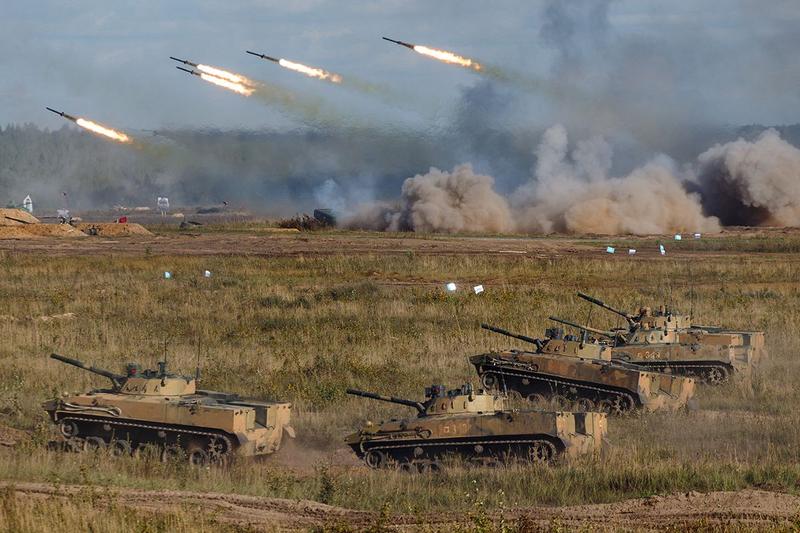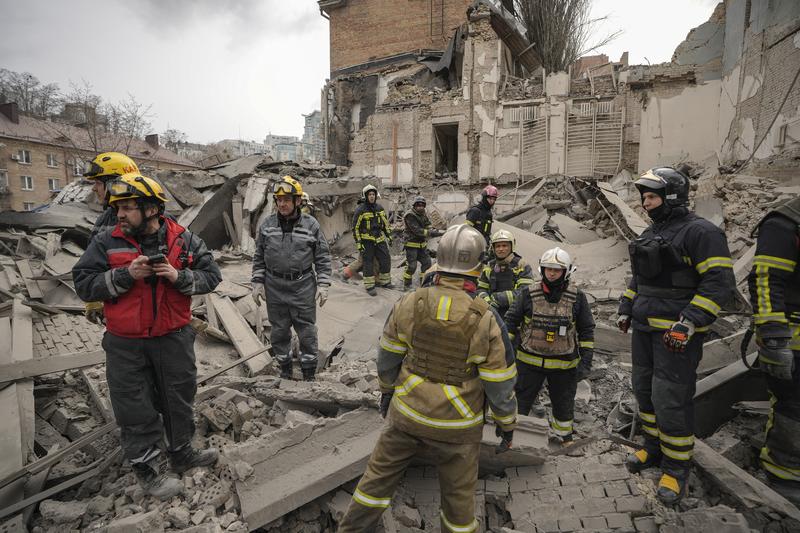
Exploziile, inregistrate la primele ore ale diminetii, survin dupa o noapte relativ calma in teritoriul israelian din apropierea granitei cu Gaza.
Israel: Hamas a lansat rachete in Ashkelon
Exploziile, inregistrate la primele ore ale diminetii, survin dupa o noapte relativ calma in teritoriul israelian din apropierea granitei cu Gaza.

|
|
As usual, the Arab satraps – largely paid and armed by the West – are silent, preposterously calling for an Arab summit on the crisis which will (if it even takes place), appoint an "action committee" to draw up a report which will never be written. For that is the way with the Arab world and its corrupt rulers. As for Hamas, they will, of course, enjoy the discomfiture of the Arab potentates while cynically waiting for Israel to talk to them. Which they will. Indeed, within a few months, we'll be hearing that Israel and Hamas have been having "secret talks" – just as we once did about Israel and the even more corrupt PLO. But by then, the dead will be long buried and we will be facing the next crisis since the last crisis.
- You must understand... (Sâmbătă, 3 ianuarie 2009, 0:41) Jony [anonim] i-a raspuns lui robertThe Israelites where there 2000 years ago, please don’t forget that…. Your only option is to find a compromise and live together….
Modern Ashqelon was originally an Arab settlement named al-Majdal. After the Arab-Israeli War (1948–49), the Arabs left the site, which was resettled with Jewish immigrants and renamed Migdal Gad, and later Migdal Ashqelon. The heart of the planned modern city was built to the west of the Arab settlement, near the seacoast, beginning in 1950. Features include a tall central clock tower and shaded business malls. Modern Ashqelon’s manufactures include textiles, plastics, and wristwatches. An industrial zone north of the city has plants that make automobile parts and process agricultural products. The trans-Negev oil pipeline from the Red Sea port of Elat reaches the Mediterranean at Ashqelon. The city has also been developed as a resort centre, with hotels and campgrounds along the fine beaches. Pop. (1990 est.) 56,800.
Israelul e nascut prin dislocarea arabilor palestiniei, deci nu vor avea liniste pana cand unii sau altii nu vor disparea de pe acel pamant, atacurile si suferintele de pana acum sunt de neiertat pentru ambele parti, dar cei mai vatamati au fost oricum arabii.
Sa speram ca Hamas-ul isi va face dreptate, pentru ca e clar ca nu exista nici un dumnezeu.


VIDEO Care sunt drepturile tale si cum poti schimba operatorul de telefonie mobila?

That is why Gaza exists: because the Palestinians who lived in Ashkelon and the fields around it – Askalaan in Arabic – were dispossessed from their lands in 1948 when Israel was created and ended up on the beaches of Gaza. They – or their children and grandchildren and great-grandchildren – are among the one and a half million Palestinian refugees crammed into the cesspool of Gaza, 80 per cent of whose families once lived in what is now Israel. This, historically, is the real story: most of the people of Gaza don't come from Gaza.
Both Yitzhak Rabin and Shimon Peres said back in the 1990s that they wished Gaza would just go away, drop into the sea, and you can see why. The existence of Gaza is a permanent reminder of those hundreds of thousands of Palestinians who lost their homes to Israel, who fled or were driven out through fear or Israeli ethnic cleansing 60 years ago, when tidal waves of refugees had washed over Europe in the aftermath of the Second World War and when a bunch of Arabs kicked out of their property didn't worry the world.
Alas for the Palestinians, their most powerful political voice – I'm talking about the late Edward Said, not the corrupt Yassir Arafat (and how the Israelis must miss him now) – is silent and their predicament largely unexplained by their deplorable, foolish spokesmen. "It's the most terrifying place I've ever been in," Said once said of Gaza. "It's a horrifyingly sad place because of the desperation and misery of the way people live. I was unprepared for camps that are much worse than anything I saw in South Africa."